


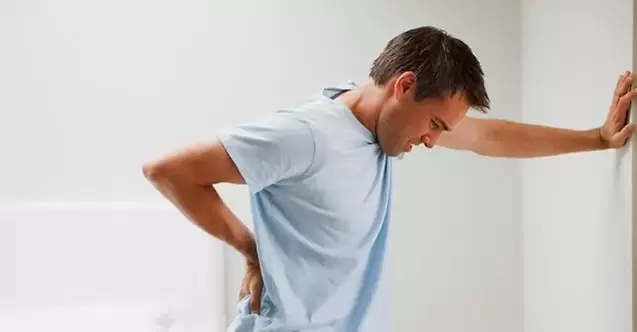
Chronic prostatitis is an inflammation of the prostate that affects men of all ages.In most cases, this occurs due to the effects of sexually transmitted infections and opportunistic microbiota on the prostate.Glandular inflammation itself is not terrible, but without effective treatment, it can cause urinary disturbances, pain, and lead to male infertility and impotence.In addition, a sedentary lifestyle and lack of regular sex life often promote the development of chronic prostatitis.
What role does the prostate play in the body?
The prostate is shaped like a chestnut and is located beneath the bladder.It prevents semen from entering it and produces prostate secretions, which are an important component of sperm.
Causes of chronic prostatitis
The most common causes of chronic inflammation of the prostate are infections and sexually transmitted pathogens.For example, Trichomonas.A sedentary lifestyle can also lead to the development of prostatitis.But prostatitis itself is not so scary, because this disease can cause more serious diseases - male infertility, prostate adenoma.
Causes of the disease also include:
- Frequent hypothermia;
- Low immunity;
- hormonal imbalance;
- A person has bad habits;
- Pelvic organ damage;
- Sedentary lifestyle.
The causes of chronic prostatitis are divided into two categories:
- Infect.They enter the body in many ways - through the urinary tract, through the blood or lymphatic flow of infected or inflamed organs in the body.
- Poor blood circulation in the prostateor its secretion is arrested, which occurs when:
- long-term abstinence;
- Frequent interruptions in sexual intercourse or failure to achieve sexual arousal;
- Ejaculatory defects.
Stress and alcohol abuse can also lead to chronic prostatitis in men.Exacerbations of the condition are often observed after hypothermia, various infectious diseases, dietary errors (too spicy food, alcohol consumption).
Symptoms of chronic prostatitis
Most common symptoms:
- Discomfort or pain in the groin and suprapubic area, perineum, scrotum, rectum, and lumbosacral area;
- Frequent and painful urge to urinate;
- Lower abdominal pain (continuous or during urination);
- intermittent or slow urinary flow;
- Reduced intercourse time, worsening erections, decreased libido, premature ejaculation;
- Periodic/persistent lack of morning erections (spontaneous);
- After ejaculation, there is a pulling pain in the head of the penis, which disappears within half an hour.
Many men don't pay attention to the symptoms of chronic prostatitis, thinking that the disease will go away on its own.However, it can continue to progress, causing various complications: pyelonephritis, cystitis, seminal vesiculitis.Over time, infertility and impotence develop against the background of inflammation of the prostate.
Diagnosis of disease
For accurate diagnosis, laboratory and instrumental tests are required.It includes:
- General urinalysis,
- General blood tests,
- Check prostate secretions,
- Bacteriological examination of prostate secretions to identify the microflora and determine susceptibility to antimicrobial agents,
- blood test PSA (prostate specific antigen),
- Ultrasound examination of pelvic organs and prostate,
- Prostate digital examination.
Possible complications of chronic prostatitis
This disease causes a number of accompanying illnesses that seriously complicate a man's life:
- Urinary tract disorders: Frequent urination during the day and night, weak urine flow, and a feeling of incomplete emptying of the bladder.
- Seminal vesiculitis, colitis - inflammation of the seminal vesicles and seminal tubercle.
- Glandular abscess is a serious pathology requiring hospitalization and often surgical intervention.
- Sclerosis of the prostate – develops with long-term prostatitis and requires surgical treatment.
- cysts, leading to prostate stones.
- Impotence, infertility.
Treatment of chronic prostatitis
Treatment of this disease can only be carried out under the constant supervision of a doctor.One of the best and most effective modern medicines for the treatment of chronic prostatitis is made from prostate tissue extracts.Its use produces rapid results and eliminates symptoms.
Since the treatment must be complex, other drugs must also be used:
- Antibacterial,
- alpha blockers,
- NSAIDs.
There is no one-size-fits-all treatment.Therefore, doctors can recommend antibacterial drugs for different groups of people.Cephalosporins, protected penicillins, fluoroquinolones, nitrofurans and tetracyclines, etc.All of this affects the cause of the disease—bacterial infection.
Alpha-blockers are medications used to treat chronic prostatitis and are designed to relax the muscles in the prostatic urethra and bladder neck, promoting the flow of urine by relieving spasm.In fact, they do not treat, but simply eliminate the painful symptoms of inflammation.
Among anti-inflammatory medications, urologists recommend those that reduce inflammation and relieve pain.
| drug | benefit | shortcoming | Usage suggestions |
|---|---|---|---|
| Fluoroquinolones |
|
|
Recommended. |
| Diaminopyrimidines |
|
Negative for Pseudomonas aeruginosa and Enterobacteriaceae. | Second-line drugs. |
| macrolides |
|
Insufficient activity against Gram-negative bacteria. | for specific pathogens. |
| Tetracyclines | Good activity against atypical pathogens. |
|
for specific pathogens. |
Effective ways to treat chronic prostatitis
Among the drugs with a large evidence base are those derived from extracts of bovine prostate tissue.The most common - in the form of suppositories or ampoules.This medicine is effective in treating both acute and chronic conditions.The drug, which is available as a suppository (rectal suppository) and an ampoule (injection), works to strengthen blood vessel walls and improve blood circulation at a microscopic level.
The effect of this medicine in treating chronic prostatitis:
- Eliminates urinary difficulties and normalizes the urinary process.
- Improve the functional status of the prostate.
- Reduce congestion and reduce prostate swelling.
- Reduce severe symptoms of chronic prostatitis.
- Blood circulation in the pelvic area is normalized, reducing the possibility of blood clots forming in blood vessels.
- The concentration of white blood cells infiltrating the prostate tissue decreases.
Treatment methods for chronic prostatitis
In most cases, chronic diseases can be successfully treated with conservative methods.But it should be remembered that treatment can quickly bring positive results only with a comprehensive approach.It is recommended to reconsider the lifestyle that led to the disease, otherwise a recurrence is likely.Abuse of alcoholic beverages, unbalanced diet, sedentary lifestyle and promiscuous sexual relations are extremely harmful to the male reproductive system.
Treatment Procedure:
- prostate massage, is performed manually through the anus.It is worth noting that the process is not very pleasant, but it is very efficient.
- Physical therapy procedures.Treating chronic prostatitis with thermal physiotherapy improves microcirculation and drug absorption into tissues, leading to good results.Physical therapy procedures include ultrasonic heating and the use of enemas to flush with antibacterial solutions.
- Balneotherapy.In many sanatoriums this disease can be successfully treated by balneotherapy methods (that is, with the help of mineral water).For the treatment of patients with prostatitis, low mineral water is usually used, both internally and in the form of baths.
- Diet therapy.As soon as signs of prostatitis appear, you should start following a special diet.First, you should avoid drinking alcohol, as ethanol can irritate the prostate ducts, increasing pain and inflammation.It is also necessary to limit the intake of fatty meats to prevent the formation of cholesterol plaques and further deterioration of blood circulation.Beans, mushrooms, offal, salty and spicy foods, tea and coffee, carbonated drinks and baked goods are prohibited.
The diet for chronic prostatitis should include foods rich in zinc (found in seafood and pumpkin seeds).It is recommended to eat as much vegetables as possible (except those that contribute to gas formation, such as broccoli), dairy products, cereals and dried fruits.
Precautions
If men maintain a healthy lifestyle: pay attention to diet, exercise, etc., they usually will not suffer from chronic prostatitis.Giving up bad habits and casual sexual intercourse can help prevent prostatitis.
There are primary, aimed at preventing the occurrence of the disease, prophylactic and secondary, whose task is to prevent the recurrence (exacerbation) of existing chronic prostatitis.
primary preventionIt comes down to regular sexual intercourse, a balanced diet, consistent physical exercise, prompt and thorough treatment of infectious (suppurative) diseases in the body, and prompt oral hygiene.
secondary preventionProvides regular check-ups and preventive treatments with a urologist - multivitamins, recovery medications, exercise.
howpreventive medicineFor prostate disease, suppositories can be used.